Why not make your garden productive again?
It is only within the last several decades that American gardens have become largely ornamental in nature.
Throughout most of our history, our home landscapes were expected to produce as well as please. The idea of a yard without at least a small vegetable plot, a row of grapes, or a few fruit trees was unthinkable. Not anymore. Tens of thousands of yards exist where not even the smallest hint of productivity occurs. There are many reasons for this sea change, principal among them the prodigious supply of formerly unavailable foods that are now obtainable throughout the year. Not only can you now go to the market and buy common produce, but you can also find avocados, passion fruit, kumquats, and melons from all over the world, in all seasons. (At least things that look like avocados, kumquats, and melons—what they actually taste like is an entirely different matter, but more on that later.) With the rise of the supermarket, many people have simply become accustomed to buying everything and growing nothing, even during the seasons when they could grow their own. This is really a shame, for it has led to a far blander palette, both in the kitchen and in the garden. Lately, however, there is a movement afoot to return to the concept of a productive landscape—at least an updated version of it. This drive has been motivated by two main factors: the astronomically high cost of organically grown food and the generally mediocre quality of the mass-produced produce found in most markets.
Cost is an interesting issue in the home garden because, done improperly, produce gardening can be more expensive than buying at the store, even with today’s high prices. Stories of the $10-per-pound tomatoes and the three-dollar heads of lettuce are almost apocryphal among beginning vegetable gardeners after they sit down and add up the costs of all those special raised beds, must-have tomato towers, European pruners, and designer plants. But home gardening can be cost-effective if you keep three important factors in mind:
-
Grow only what you like.
-
Of that, grow first and foremost what is expensive to buy.
-
Grow what is not readily available in the market.
People seem to feel somehow that because they are planning a vegetable garden, it needs to be nutritionally complete, with a little of every vegetable imaginable—regardless of whether they like them or not. Even I fall prey to this thinking. Year after year, for instance, I plant summer squash because traditionally, when I was a kid, our gardens always had some, and I rather like the way they look. Now, while I do eat a bit of zucchini here and there during the summer, truth be told, I am not a big fan. When you add to my ambivalence the plant’s prodigious production, the result is a waste of time, effort, money, and most importantly, garden space—coupled with the unpleasant annual ritual of finding people willing to take some extras off my hands. Many of the ill-fated, unwanted squash end up being fed to the chickens. Far better it would be (and last year I actually succeeded in doing this) not to plant summer squash, but rather French pole beans—a vegetable I really do enjoy and one that is quite expensive to buy, when it can be found at all in specialty food stores.
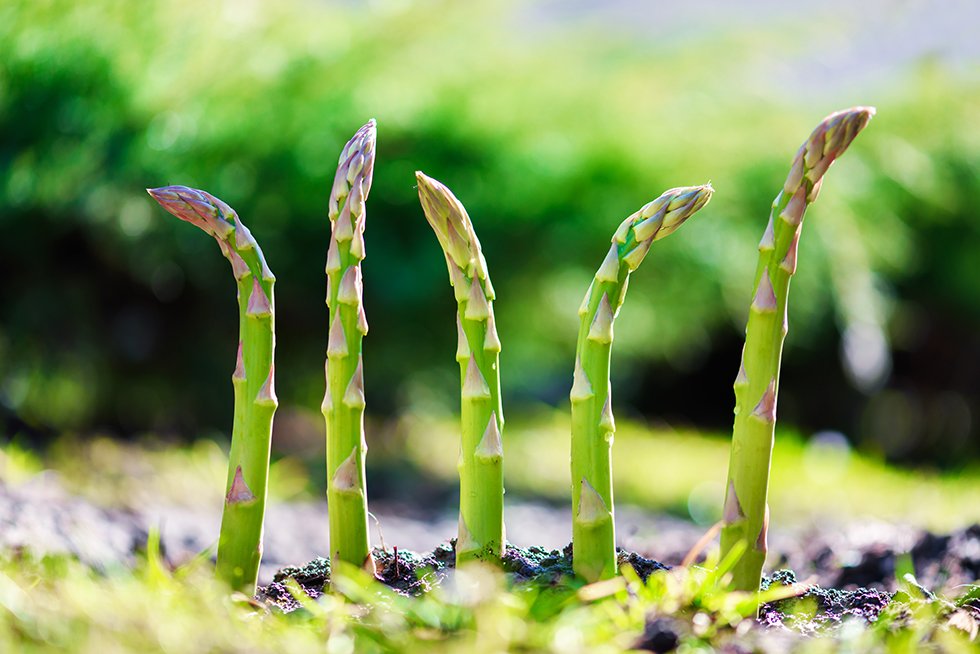
General availability and price are important, too. Garden space is almost always limited, and choices have to be made. When thinking about your garden, consider growing the things that you are forced to trek to the market and shell out big bucks for. Asparagus is a great example. Why pay $4 for a woody bunch of sticks in the store when, moments before dinner, you can leisurely wander out to the patch, cut your own tender stalks, and toss them into the pot? A weekend’s worth of effort spent on planting an asparagus bed will produce pounds of delicious shoots for 20 years or more. Berries are another example. Most everyone adores raspberries and blueberries. Both are very easy to grow and very expensive to buy—why not include them in your garden? And how about some of those garden rarities like that Victorian pie-making favorite, gooseberries, which take up little space in the garden and are both costly and hard to find?
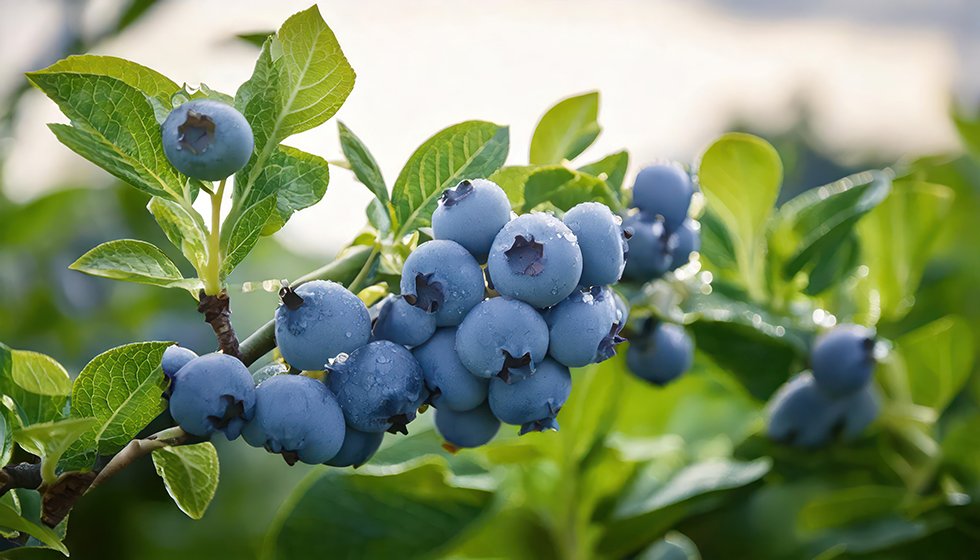
Nor does making your garden productive necessarily mean churning up part of the lawn for a huge vegetable plot—our largely ornamental landscapes can easily be made productive with some simple changes. Take the aforementioned blueberries, for example. Highbush blueberries make a truly terrific garden plant—good form and foliage, interesting flowers, and terrific fall color. Added to which, they produce a marvelous crop of fruit. In fact, I often like to incorporate highbush blueberries into ornamental plantings for gardens I design. I’ll never forget the phone call I received from a surprised client who discovered, to her utter delight, the luscious crop of berries right outside her breakfast nook—she thought the bushes were merely for show. Fruit trees are another prime example: many people plant ornamentals like crabapples, when instead they could have a beautiful apple tree that would flower in the same lovely way and produce an edible crop with little additional work.
Here’s the last—and maybe the best—reason to grow your own: quality. You can grow foods yourself that taste better than almost anything you can possibly buy, and I am not just talking about freshness. Many varieties of fruits and vegetables available to home growers are simply not available in stores, because produce intended for the market is bred first and foremost for shipping durability and shelf life, not taste. That’s why heirloom varieties are making such a comeback—these classic varieties our ancestors enjoyed may not ship well, but they yield unique produce whose flavor is beyond comparison to what you can buy in the store. (While this may sound like an exaggeration, it’s not: until you have bitten into your own Belle of Georgia peach, whose juicy flavor almost explodes in your mouth, or eaten a Brandywine tomato, still redolent from the vine, you can’t imagine what a novel taste experience these wonders provide. Words do indeed fail.) Nor are these benefits limited to heirlooms: many modern varieties are specifically bred for the home market, to be picked, eaten, or put up at the peak of their freshness and flavor. And for those who are concerned with chemicals in their food, there are only two real options—go to a certified grower and pay a huge premium for your produce, or grow your own. While it’s unlikely that you will want to grow the household’s entire fruit and produce supply, you will be amazed at what you can grow, even in a small area, with relative ease.
Of course, nothing comes from nothing. Productive gardens do require more thought and effort than those landscapes that merely sit around in imitation of green plastic plants. To get something, you generally have to give something in return. The point is that, short of Astroturf, all gardens require some effort—look at the hours, money, and energy many people put into their lawns alone. Often, making your garden productive is merely a case of redirecting existing resources. After all, if you are going to expend time and energy on your landscape, why not have the landscape reward you for that time and energy in return?