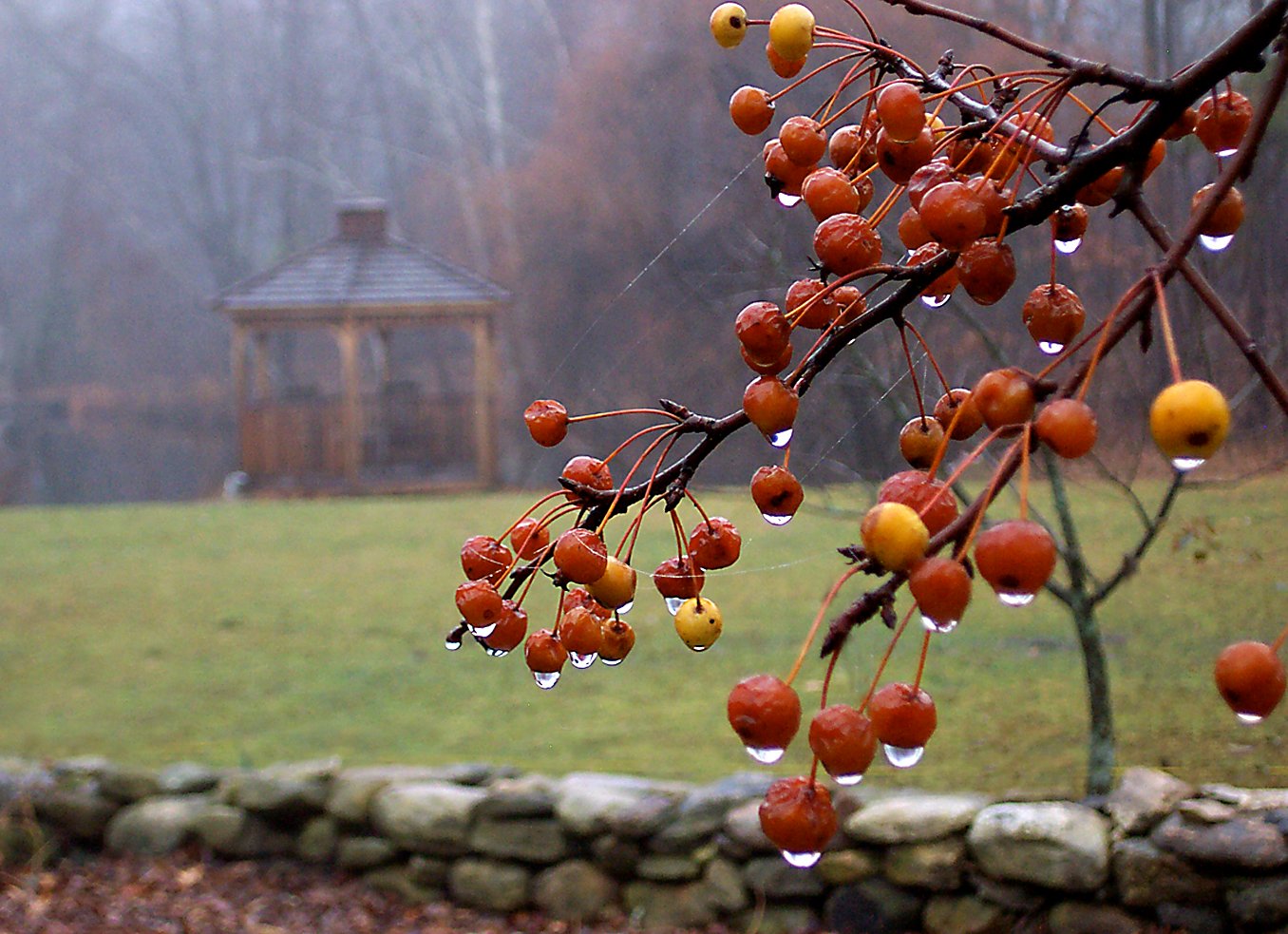
 Landscaping for year-round interest is one of the most important considerations when designing gardens in the Boston area. Though it looks almost timeless, everything in the picture above was the result of careful planning for a four-season garden we designed in what was once a neglected field bordering a weed-choked pond. Creating a landscape that holds visual interest throughout the year is not accidental—it’s an art of balance and foresight. In New England’s climate, where winters are long and summers fleeting, the thoughtful gardener must plan not just for the glory of May but for the quiet beauty of January.
The Boston area poses particular challenges: icy winds off the Atlantic, variable soil conditions, and freeze-thaw cycles that test the durability of plants and structures alike. Still, these same conditions can inspire gardens of extraordinary depth and character. The secret lies in designing with all four seasons in mind—layering textures, colors, and forms so that something always delights the eye, no matter the month.
Designing for Winter First
Winter is often the forgotten season in garden design, yet it’s the one that lasts the longest here. Once the blooms fade and leaves fall, a garden stripped to its essentials reveals its underlying structure. The most successful landscapes in cold climates begin with strong “bones.” Stone walls, pathways, gazebos, arbors, and well-placed benches add architectural permanence that doesn’t disappear when the frost comes.
Consider using native granite or weathered fieldstone to create walls and terraces that echo the natural geology of Massachusetts. A small viewing arbor draped with hardy climbers like native bittersweet or Boston ivy will take on dramatic appeal after the leaves drop, the twisting vines seeming sculptural against bare wood. Decorative fencing or a simple iron gate can define spaces and catch snow beautifully.
Adding Seasonal Layers
Once the structure is in place, layer the living elements around it. For Boston gardens, year-round plant combinations should mix evergreens, deciduous shrubs, and perennials with varying textures and bloom times.
-
Evergreens: These are the backbone of winter interest. Mix broadleaf evergreens such as rhododendron and mountain laurel with conifers like hemlock, spruce, and pine. Their foliage not only adds color but protects the garden from looking barren in midwinter.
-
Shrubs with berries: Colorful fruit offers a burst of brightness when everything else is dormant. Japanese crab apples, winterberry holly, viburnums, and cotoneasters are all good choices. They also attract birds—a welcome movement in a quiet winter landscape.
-
Deciduous trees with character: Bark texture becomes important once leaves are gone. River birches with their peeling cinnamon-toned bark or stewartias with mottled trunks provide subtle winter beauty while offering shade in summer.
-
Perennials and grasses: Ornamental grasses like switchgrass or miscanthus persist into winter, their seed heads catching frost and morning light. Dried flower stalks of coneflower or black-eyed Susan create sculptural forms that can be left standing until spring.
Planning for Transitional Seasons
Spring and fall are times of transformation. Boston springs are brief but intense—snow melts rapidly, and bulbs emerge seemingly overnight. Plant early bloomers such as snowdrops, crocuses, and daffodils among the shrubs to extend the season. Follow them with tulips, hellebores, and bleeding hearts to fill the color gap before summer perennials take over.
Autumn should be treated not as an afterthought but as a crescendo. Maples and oaks provide radiant foliage, and many shrubs—like fothergilla, witch hazel, and the native blueberry—offer fiery reds and oranges. Leave seed heads and grasses standing until early winter for texture and wildlife value.
Sustainability and Maintenance
A four-season garden must also be practical. Use native plants whenever possible; they tolerate local conditions, require less care, and support pollinators and birds. Mulch generously to stabilize soil temperature, and design for efficient watering—drip irrigation or rain gardens can manage spring runoff. Consider pathways that remain navigable after a snowfall, ensuring the garden remains accessible for winter walks.
Thoughtful landscaping transforms even a forgotten patch of earth into a living calendar of the seasons. With planning, patience, and the right mix of structure and planting, a Boston-area garden can captivate twelve months a year—from the sparkle of berries in January to the hum of bees in July.