I began our practice over thirty years ago designing landscapes for historic homes, and from the very beginning, our mission has been to honor the character and craftsmanship of New England’s architectural heritage. Over time, this specialization has made us the region’s leading experts in traditional landscape design—crafting gardens that respect the past while thriving in the present. Our projects span centuries of architectural styles, from stately Georgian mansions to simple 19th‑century farmhouses, yet our underlying goal remains the same: to create landscapes that feel as if they have always belonged.
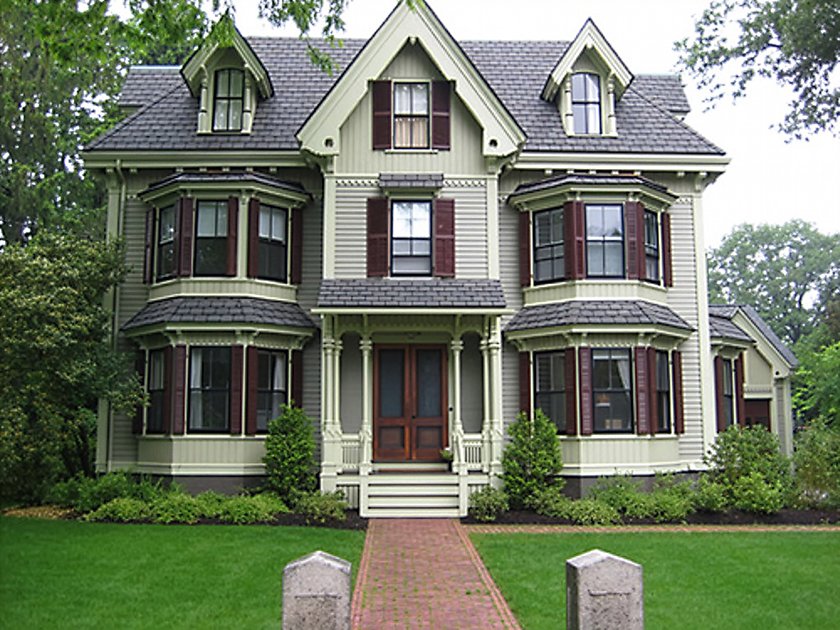
Designing for historic houses requires a particular sensitivity. Each property tells a story through its lines, materials, and setting, and the landscape must become part of that narrative. The key is to let the house speak for itself. Older homes often possess remarkable grace and proportion, but their charm is too frequently hidden behind decades of overgrowth—towering shrubs, invasive vines, and trees planted too close to the foundation. What begins as well‑intentioned landscaping can, over time, overwhelm the structure it was meant to enhance. We often find that the first step in restoring these gardens is a thoughtful clearing away, revealing the architectural bones of the house and allowing it, quite literally, to breathe again.
Once the true form of the house is visible, we begin the careful process of composition. Foundation plantings for historic properties should be chosen with scale and maturity in mind. Shrubs and perennials must frame and soften the architecture without obscuring its defining features. We favor species that remain proportional and dignified over time—plants like boxwood, dwarf holly, peonies, and hydrangeas that echo traditional patterns yet provide year‑round interest. These time‑tested selections create rhythm and balance, allowing the building’s craftsmanship—its woodwork, windows, and trim—to remain the focal point.
Color selection is equally critical in tying architecture and landscape together. The right palette can transform a property, drawing the viewer’s eye seamlessly from façade to flower. For one recent restoration, we selected tones that matched the house’s creamy trim and painted shutters: silvery greens, soft blues, and pale blushes that complement rather than compete. The effect is one of quiet unity, as if the house and its garden had matured side by side for generations. In New England’s often-muted natural light, these softer shades feel authentic and enduring, far more in keeping with the spirit of historic design than the brash, artificial hues too common today.
But traditional doesn’t mean static. Historic gardens can and should evolve to meet contemporary needs—inviting outdoor living, supporting biodiversity, and offering year‑round beauty. We integrate modern elements such as discreet irrigation systems, sustainable plant choices, and native species whenever possible, ensuring that the garden functions beautifully in today’s climate realities. Thoughtfully designed pathways, terraces, and seating areas encourage daily use and enjoyment while remaining true to period aesthetics. The goal is always to strike a balance between historical integrity and modern comfort.
Ultimately, working with a historic home means engaging in a dialogue with time. Each decision, from plant selection to pathway design, should reveal respect for the craftsmanship and ideals of those who built before us. We see ourselves not as inventors, but as interpreters—listening to what the house and its setting have to say, then translating that conversation into form, texture, and color.
As one insightful Victorian landscape manual reminded its readers: “If you are proud of your house, pray, let it be seen!” We live by that sentiment. Gardens should never hide the beauty of their companion homes—they should highlight and celebrate them. By uncovering the architecture, selecting plantings of proper scale, and linking house and garden through sympathetic design, we give these historic properties the stage they deserve. The result is a landscape that feels timeless, thoughtful, and deeply rooted in New England tradition.