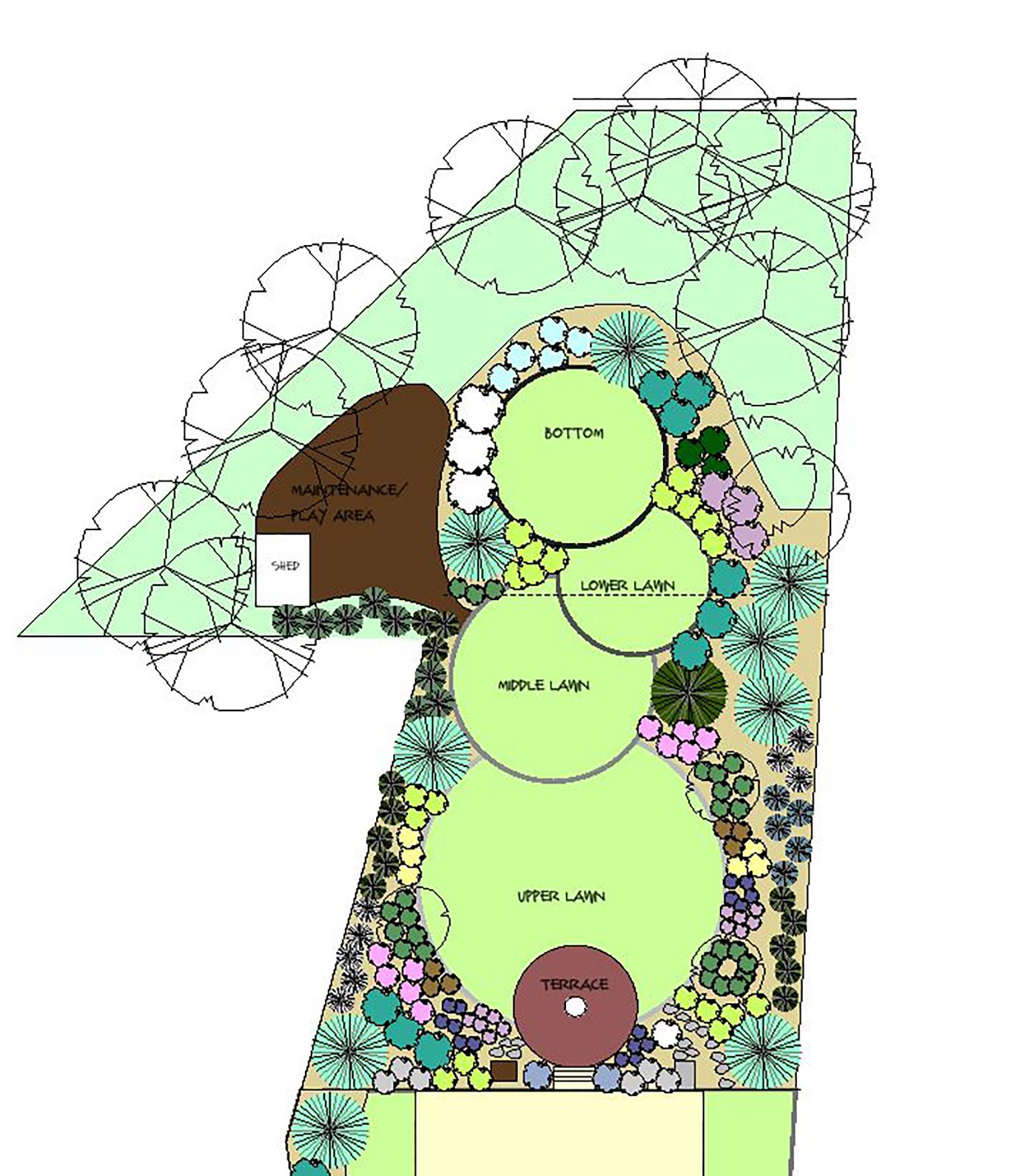
People often ask me what is more important in garden design, plants or hardscape. My answer is neither: it’s starting with a plan. It’s incredible to consider how many people who would never think of building a house without first creating a set of architectural plans often embark on costly garden construction without thorough planning. Somehow, because gardens are living spaces, people assume they can evolve organically and still end up beautiful and functional. Occasionally, luck rewards this optimism—but more often, the result is a patchwork of unrelated elements that never quite harmonize.
A garden plan serves the same purpose as a blueprint for a house: it provides a vision and a framework. The plan doesn’t dictate every decision, but it does establish relationships—between open and enclosed space, between light and shadow, between movement and stillness. When you see successful gardens, whether a classic English border, a Japanese stroll garden, or a contemporary minimalist landscape, it’s the underlying structure that gives coherence to the planting and hardscape details. Without that structure, even the most exquisite plants can seem lost.
The planning process begins not with choosing plants but with studying the site. Every property has its own personality—a mix of soil, slope, exposure, and existing vegetation. Observing these conditions is like listening before speaking; you learn what the land wants to say. I always spend time walking the site at different times of day, noting how sunlight moves, where water collects, and what views deserve to be screened or emphasized. These observations shape the bones of the design more than any plant list could.
From there, proportion and function take center stage. A terrace that’s too small feels cramped, while one too large can seem barren. Paths that meander pleasantly on paper may become frustrating detours in practice. Scale matters immensely: a garden should fit the house and the people who use it. One of the simplest planning tools is a scale drawing that places house, walks, patios, driveways, and major trees in relation to one another. Once that skeleton is right, the rest of the garden can flesh itself out naturally.
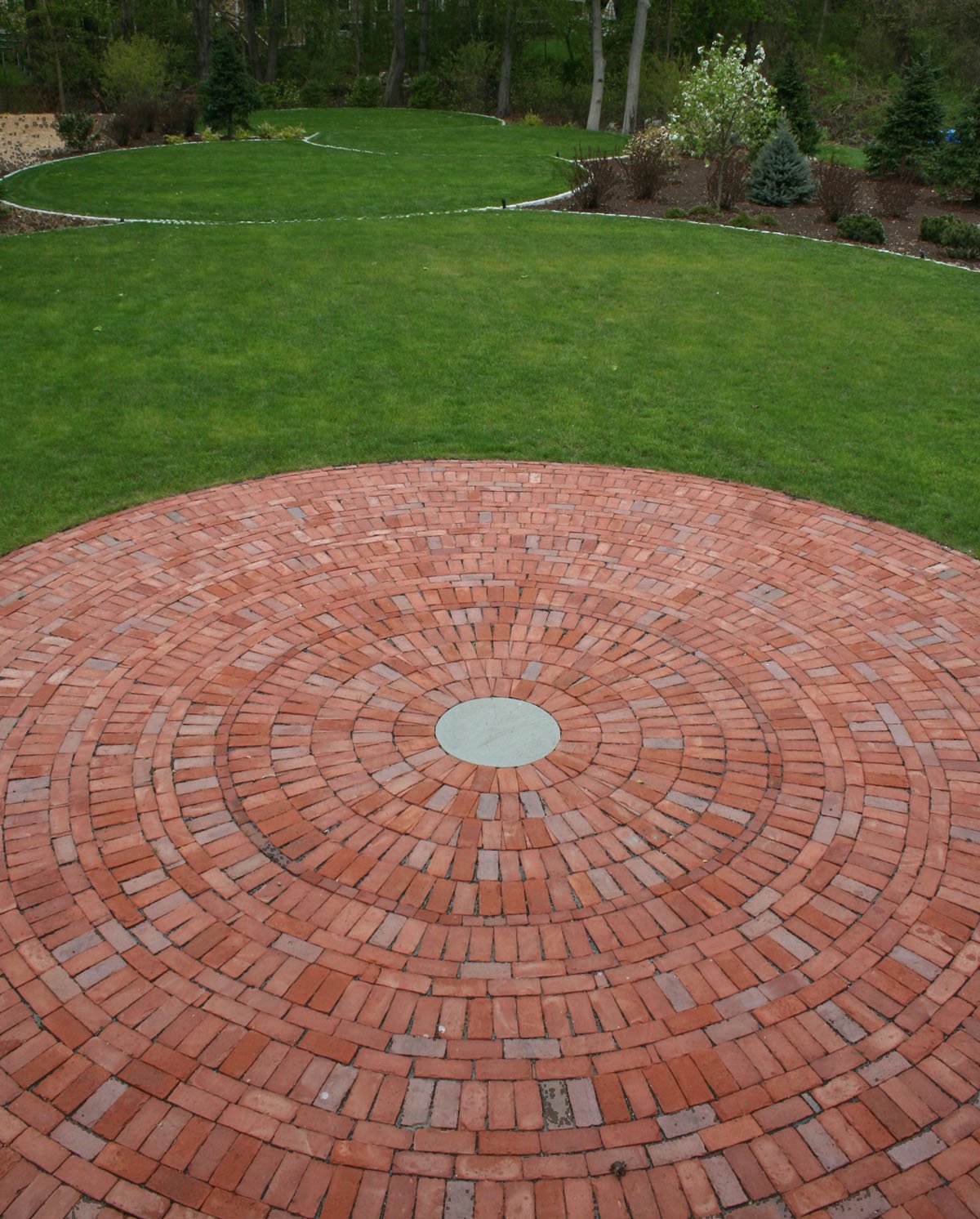
Only after this groundwork does the question of materials and plants arise. Hardscape—walls, paths, steps, and terraces—gives physical form and durability. Plants bring life, texture, movement, and seasonal change. But both must serve the overall concept, never compete for dominance. For instance, a rustic stone wall calls for looser plantings to soften its edges, while sleek modern pavers might pair better with bold architectural foliage. The best gardens strike a dialogue between the living and the built, guided by a unifying design vision.
That said, planning should never feel rigid. A good garden plan allows room for evolution. Gardens are dynamic; they grow, mature, and sometimes surprise their caretakers. A thoughtful plan leaves space for spontaneity—an unexpected self-sown annual, a new seating area discovered out of need, a tree placed to cast the perfect afternoon shadow. What distinguishes an evolving garden from a chaotic one is intention. Decisions are guided by an understanding of the original framework.
Too often, people start at the wrong end, seduced by instant gratification. They buy plants impulsively at the nursery, dig a bed here or add a fountain there, and before long the yard feels cluttered and confusing. A garden built this way can be an expensive lesson. Materials are costly; labor even more so. A few hours spent drawing, measuring, and thinking—on paper, not in the soil—can save years of reworking later.
In some ways, planning a garden is an act of imagination. You’re envisioning not just what it will look like upon completion, but how it will age, how it will feel in rain and in sunlight, how people will inhabit it. The best plans consider time as a design element: how small trees will mature, how perennials spread, how seasons shift color and form. A plan gives you the confidence to build something that grows better every year rather than something that’s past its prime after one season.
So whether you’re creating a modest courtyard or an estate landscape, begin with a clear, thoughtful plan. It anchors creativity in purpose and ensures that beauty will not only emerge but endure. My grandfather’s old adage still rings true: plan twice, plant once.